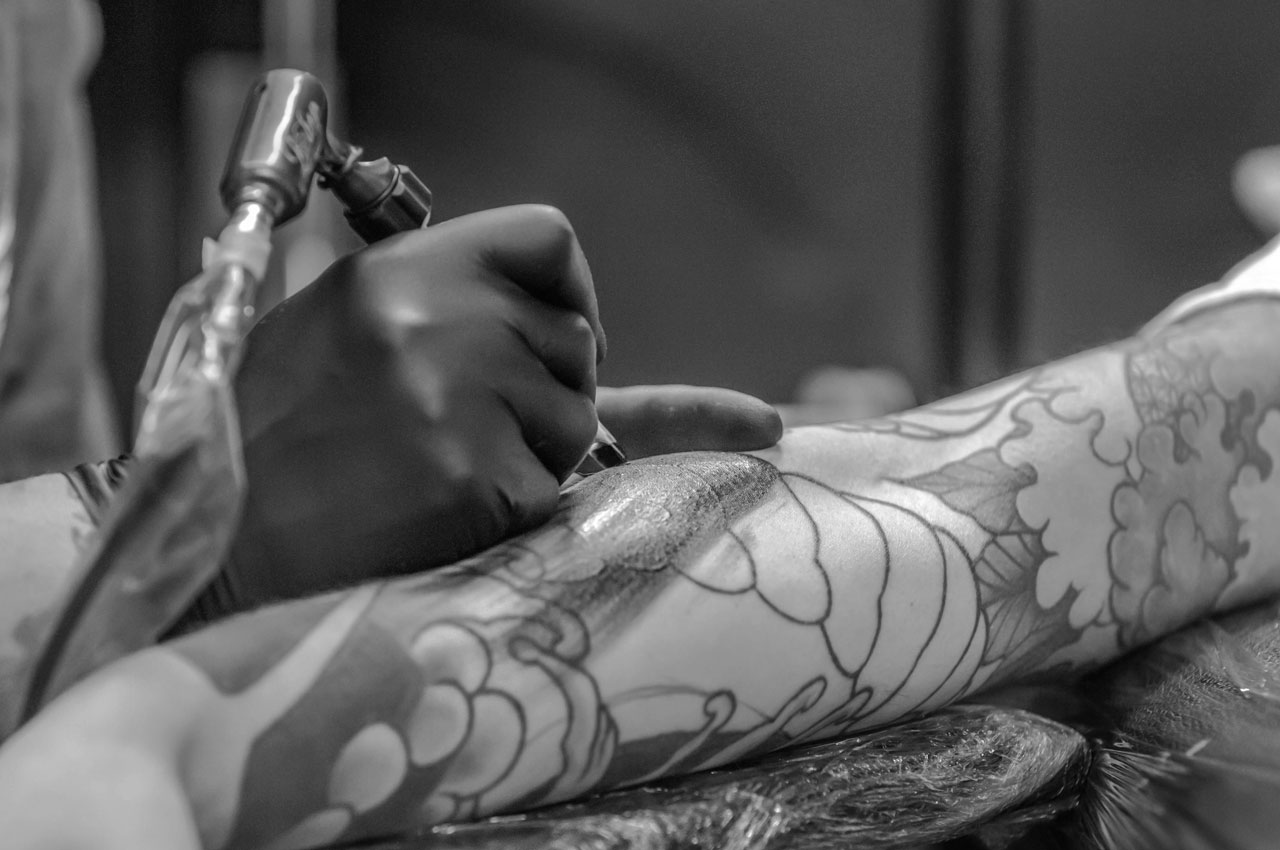
I have tattoos older than most of my current relationships. Many were done in my early to mid-teens—yes, way back in high school—and the most recent in my mid-twenties. Young Ciku tried to imagine what older Ciku would appreciate, or at least not regret. She barely succeeded.
For the last fifteen years, I’ve toyed with the idea of covering them up or getting them removed entirely. With time, the emotional weight they once carried has faded. Back then, a tattoo felt like the ultimate declaration—of love, rebellion, pain, or freedom. Each one etched a moment, a mood, a message I was desperate to preserve.
But as I’ve grown, I’ve learned that I don’t need ink to remember. Life doesn’t wait for a needle to press meaning into skin. It marks us in other, more subtle ways—through growth, grief, and the quiet lessons that come with age. I didn’t need to immortalize turning points; they imprinted themselves all the same.
These days, my tattoos feel more like echoes than statements. I often forget I even have them until someone points them out, their curiosity reminding me of versions of myself I’ve long outgrown. They no longer define me—but neither do they embarrass me.
If anything, they’re like old diary entries written in permanent ink. A little dramatic, a little naive, but honest. They remind me that I was once someone who felt deeply, acted impulsively, and wasn’t afraid to wear her story on her skin.
I don’t know if I’ll ever remove them. Maybe one day I’ll get new ones, maybe not. For now, they’re just part of the patchwork—remnants of a younger self who was trying, in her own way, to make sense of the world.
And I respect her for that.
Maybe that’s what growing up really is—looking back at your past selves with kindness, not criticism. My tattoos aren’t mistakes; they’re milestones. And while they may not speak for me anymore, they still speak of me, in a language only I fully understand.